Frequently Asked Questions

General Bed Bug Questions

What are bed bugs?

Bed bugs are small, flat insects that feed on blood and typically hide in mattresses, furniture, and cracks near sleeping areas. They are most active at night and can be difficult to detect until an infestation becomes established.

How do bed bugs get into homes or buildings?

Bed bugs are excellent hitchhikers. They are often brought in through luggage, furniture, clothing, or shared walls in multi-unit buildings. Cleanliness does not prevent bed bugs — they can happen to anyone.

What are common signs of bed bugs?

Common signs include:

  • Itchy bites or skin irritation

  • Small blood stains on sheets

  • Dark spotting on mattresses or furniture

  • A musty odor in severe cases

Commercial & Discretion Questions

Do you offer discreet service for businesses?

Yes. Discretion is a standard part of how we operate. We use unmarked vehicles, neutral attire, and careful scheduling to minimize attention and disruption.

Can treatment be scheduled after hours?

Yes. We work with businesses to schedule service at times that best protect guests, tenants, and operations.

Will guests or tenants know treatment is happening?

Our process is designed to limit visibility as much as possible. We coordinate directly with management and focus on low-profile execution.

Heat Treatment Questions

Is heat treatment safe?

Yes. When performed by trained professionals, heat treatment is safe and does not rely on pesticides. It leaves no chemical residue behind.

Will one treatment be enough?

In most cases, professional heat treatment is completed in a single visit. Each situation is evaluated individually to ensure proper coverage and results.

Will heat damage my belongings?

Most household items tolerate heat treatment well when handled properly. We review sensitive items in advance and guide you on anything that should be removed or protected. (See List Below)

Residential Service Questions

Do I need to prepare my home?

Yes. Preparation is an important part of a successful treatment. We provide clear, step-by-step preparation guidance before service so you know exactly what to expect. (See List Below)

Can bed bugs come back after treatment?

When heat treatment is performed correctly, it eliminates bed bugs and their eggs in the treated area. Re-infestations usually happen due to re-introduction from luggage, visitors, or used furniture—not because the original treatment failed. We provide guidance on prevention steps to help reduce the risk moving forward.


How soon can we use our home after heat treatment?

In most cases, you can return to your home the same day after treatment is completed and temperatures have safely returned to normal. There is no chemical residue, no lingering odors, and no waiting period required like with some spray treatments.

Checklist & Process

Proper preparation is an important part of a successful heat treatment. This checklist helps ensure the treatment is effective and completed as smoothly as possible.

If you have any questions during preparation, please contact us before treatment day.

Customer Preparation Checklist

✅ BEFORE TREATMENT DAY

🔹 Clothing, Linens & Fabrics

  • Remove all clothing, bedding, towels, and washable fabrics from the treatment area

  • Wash items in hot water and dry on high heat

  • Place cleaned items into sealed plastic bags or bins

  • Keep sealed items out of the treatment area until treatment is complete


🔹 Furniture & Belongings

  • Empty dresser drawers, nightstands, and closets in affected rooms

  • Leave drawers empty and open if furniture remains in the room

  • Move furniture at least 12 inches away from walls where possible

  • Do not stack items — allow airflow around furniture


🔹 Electronics & Personal Items

  • Remove items sensitive to heat such as:

    • Candles

    • Aerosols

    • Medications

    • Vinyl records

    • Certain cosmetics

  • If unsure, ask before treatment day


🔹 Wall Hangings & Decor

  • Remove items hanging on walls, including:

    • Pictures

    • Mirrors

    • Wall art

  • Lean them against walls unless instructed otherwise


🔹 Floors & Access

  • Clear floors so technicians can move equipment freely

  • Vacuum carpets, rugs, and baseboards if possible

  • Dispose of vacuum contents outside the home immediately


🚫 DO NOT DO BEFORE TREATMENT

  • Do NOT spray pesticides, foggers, or store-bought treatments

  • Do NOT move unsealed items into other rooms

  • Do NOT discard furniture unless advised

  • Do NOT unplug appliances unless instructed

Using sprays or foggers can interfere with treatment effectiveness.


🏠 ON TREATMENT DAY

  • All people, pets, and plants must leave the home

  • Aquariums must be removed or properly protected

  • Refrigerators, freezers, and major appliances may need to be unplugged (we will advise)

  • Ensure clear access to all treatment areas

  • Provide any requested keys, codes, or access instructions


✅ AFTER TREATMENT

  • Wait until technicians confirm it is safe to re-enter

  • Do not bring sealed items back into treated areas until instructed

  • Follow any post-treatment guidance provided

  • Continue prevention steps discussed during service

There is no chemical residue, and most homes can be reoccupied the same day.


🏨 COMMERCIAL / PROPERTY MANAGEMENT ADD-ON

For hotels, apartments, and short-term rentals:

  • Coordinate room access and scheduling in advance

  • Remove or protect guest belongings as needed

  • Notify staff only on a need-to-know basis

  • Follow preparation guidance specific to the unit(s) being treated

Discretion and minimal disruption are part of our standard process.

Our Process

STEP 1: CONFIDENTIAL CONSULTATION

Every job begins with a conversation.

We take the time to understand:

  • The type of property

  • The areas affected

  • Scheduling needs

  • Any concerns about discretion or access

This allows us to recommend the correct treatment approach and timing before moving forward.


STEP 2: PREPARATION GUIDANCE

Proper preparation is key to successful heat treatment.

Before treatment day, we provide:

  • Clear, step-by-step preparation instructions

  • Guidance on clothing, furniture, and personal items

  • Answers to any questions so there are no surprises

Our goal is to make preparation manageable, not overwhelming.


STEP 3: HEAT TREATMENT DAY

On treatment day, professional heat equipment is used to raise temperatures to levels bed bugs and their eggs cannot survive.

Heat penetrates:

  • Mattresses and box springs

  • Furniture and upholstery

  • Cracks, crevices, and hidden spaces

This approach addresses the infestation thoroughly without relying on chemical sprays.

For businesses, scheduling and execution are handled with discretion to minimize visibility and disruption.


STEP 4: COMPLETION & FOLLOW-UP

After treatment:

  • We confirm completion of service

  • Provide any necessary documentation

  • Review post-treatment guidance

  • Answer remaining questions

Most homes and properties can return to normal use the same day once temperatures have safely returned to normal.


Our Commitment Throughout the Process

  • Clear communication

  • Professional execution

  • Respect for your space and privacy

  • No unnecessary steps or repeat visits

Discretion is not an extra service — it’s built into how we operate.


About The Bug

What Are Bed Bugs?

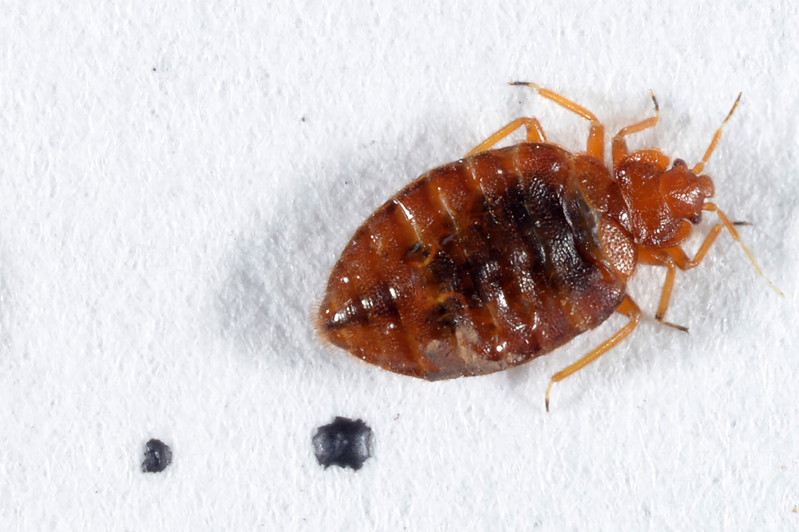
Bed bugs are small, flat, reddish-brown insects that feed on blood. They are most active at night and typically hide close to where people sleep or rest. Despite common myths, bed bugs are not caused by poor cleanliness and can affect homes, hotels, and businesses of all types.

Because of their size and ability to hide, bed bugs are often difficult to detect until an infestation becomes established.

Where Do Bed Bugs Hide?

Bed bugs are experts at staying out of sight. Common hiding places include:

  • Mattress seams and box springs

  • Bed frames and headboards

  • Upholstered furniture

  • Cracks in walls or baseboards

  • Electrical outlets and wall voids

Their ability to hide in tight spaces is one reason spray treatments often fail to eliminate them completely.

How Do Bed Bugs Spread?

Bed bugs are excellent hitchhikers. They spread by attaching themselves to:

  • Luggage and travel bags

  • Clothing

  • Furniture (especially used or secondhand items)

  • Shared walls in multi-unit buildings

They are frequently introduced after travel, guest stays, or furniture movement.

Signs of a Bed Bug Problem

Common signs may include:

  • Itchy bites or skin irritation (often in lines or clusters)

  • Small blood spots on sheets or pillowcases

  • Dark spotting on mattresses or furniture

  • A musty odor in heavier infestations

Not everyone reacts to bed bug bites, which can delay detection.

Why Bed Bugs Are Difficult to Eliminate

Bed bugs reproduce quickly and hide deeply. Eggs are especially resistant to many traditional treatment methods. Sprays and foggers often fail to reach all hiding areas, allowing infestations to return.

This is why repeated treatments are common when improper methods are used.

Why Heat Treatment Is Effective

Professional heat treatment raises room temperatures to levels that bed bugs and their eggs cannot survive. Heat penetrates furniture, mattresses, and hidden spaces without relying on chemicals.

When done correctly, heat treatment addresses:

  • Adult bed bugs

  • Nymphs

  • Eggs

All in one comprehensive process.

We don’t spray. We eradicate.

Common Bed Bug (Cimex lectularius)

This is the primary bed bug found in the U.S.

  • Found in homes, hotels, apartments, and rentals

  • Flat, oval-shaped, reddish-brown

  • Hides in mattresses, furniture, and cracks

  • Feeds on humans

  • Responsible for the vast majority of infestations

 Tropical Bed Bug   (Cimex hemipterus)

Less common, but increasingly seen in the U.S.

  • Historically tropical, now spreading due to travel

  • Looks very similar to the common bed bug

  • Found mostly in hotels and travel-heavy areas

  • Behavior and treatment are similar

 Bat Bug                 (Cimex adjunctus)

Often mistaken for bed bugs

  • Typically associated with bats, not people

  • Found in attics, walls, or structures with bats

  • Can bite humans if bats are removed

  • Slightly hairier than bed bugs under magnification

If you have additional questions, we’re happy to walk you through the process and help you decide the best next step.

Sleep Soundly Again

Ready to say goodbye to sleepless nights? At Bed Bug Thermal Eradicaters, located in Sevierville, Tennessee, we're committed to providing effective, safe, and reliable bed bug removal services. Let us help you reclaim your home and your peace of mind. Contact us today!